Secondary (Legal) Suites
A secondary (or legal) suite is a complete living unit with its own kitchen, sleeping area, and washroom facilities contained within another dwelling. The two dwelling units (the primary residence and the secondary suite) and any common spaces make up a single real estate entity that cannot be stratified or otherwise legally separated from the other.
Secondary suites are permitted in most single detached and some side-by-side attached homes across British Columbia and come with many benefits such as providing homes for aging parents, adult children or other family members, helping to pay a mortgage or investing in existing property and contributing to more long-term rental housing in communities.
Local government zoning and planning requirements, as well as certain building codes, and building permit requirements would dictate if a secondary suite can be built on a property and what building codes would apply. In the City of Vancouver (municipality), the Vancouver Building By-laws (VBBL) will apply. Elsewhere in BC, the British Columbia Building Codes (BCBC) is applicable.
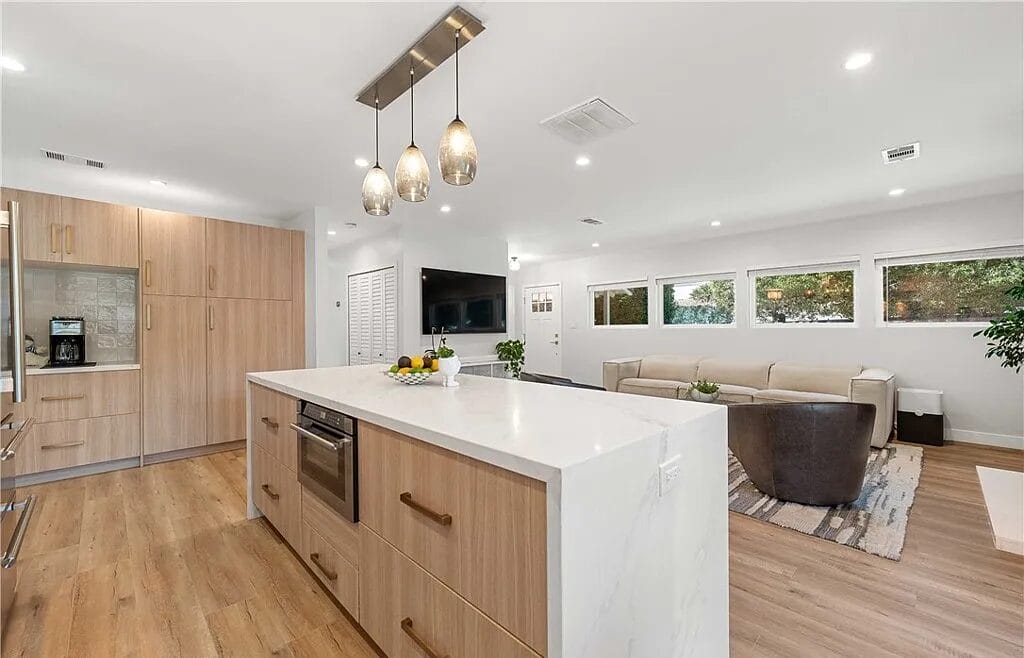
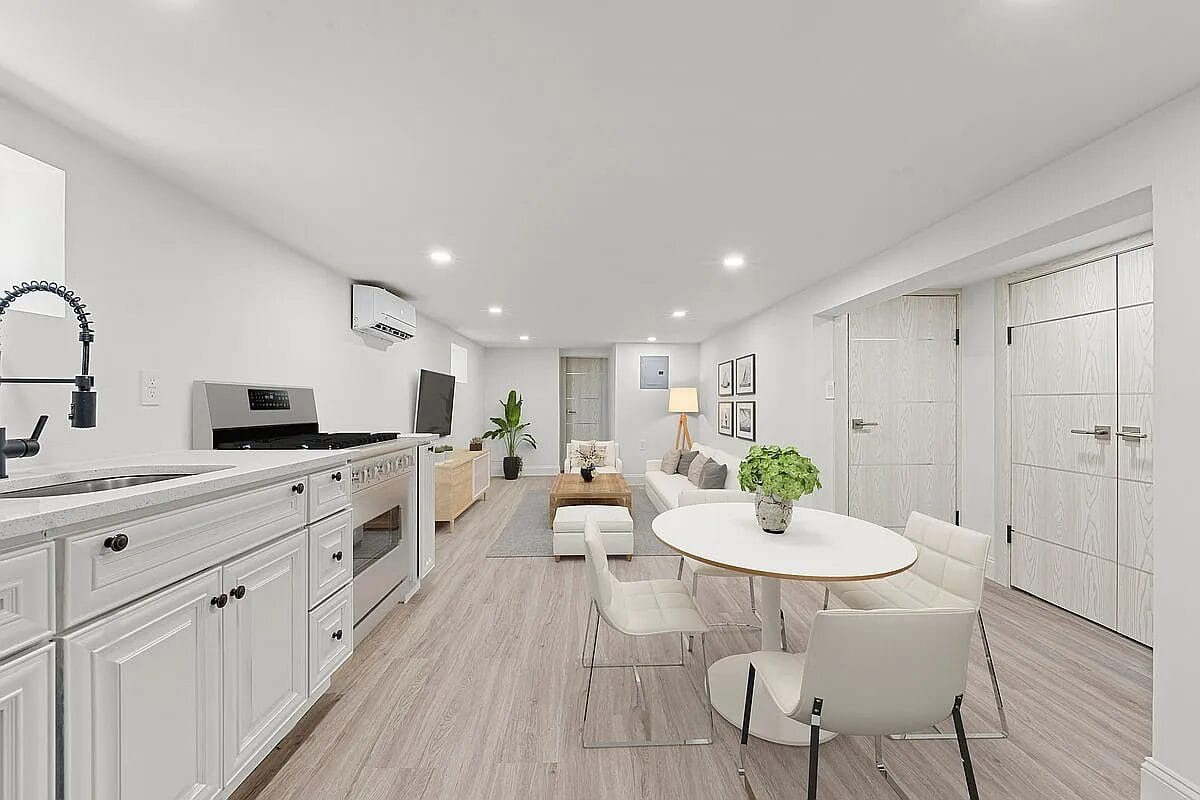
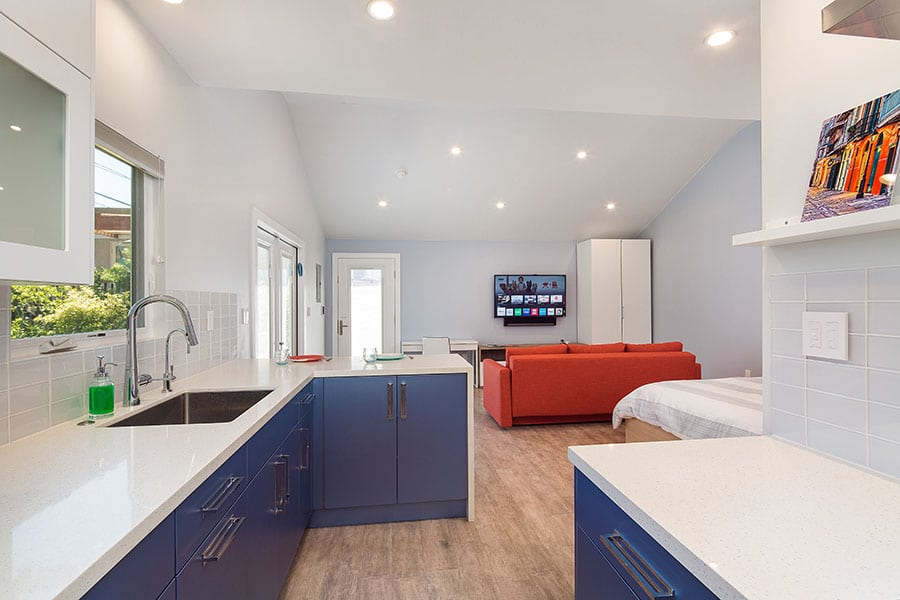
There are very rigid building code and building permit requirements for converting an existing space into a secondary (or legal) suite. The newer the single-family dwelling containing the space for conversion, the easier it may be to do so. The older the single-family dwelling, the greater the number of requirements. There are also different types of secondary suites as shown in the graphic below.

Types of Secondary Suites
Secondary Suites in Pitt Meadows – What Actually Applies
Pitt Meadows follows the BC Building Code rather than the Vancouver Building By-Laws, and regulates suites through Zoning Bylaw No. 2505. Its rules differ from the rest of Metro Vancouver in two ways that catch people out.
It is a secondary suite or a garden suite – not both. Pitt Meadows permits garden suites (also called carriage, coach or laneway houses) on lots of at least 557 square metres in RS and RR zones, and on lots under 8,094 square metres in A-1 and A-2 zones. But a garden suite is only permitted where the single-family dwelling does not already contain a secondary suite. Equally, a secondary suite is not permitted where the property has a garden suite, a bed and breakfast, or boarders. You choose one path, so choose it before you design.
Non-resident owners need a local property manager. This is unusual and specific to Pitt Meadows. If you do not live on the property, the City requires you to retain a property management company based in Pitt Meadows, Maple Ridge or Port Coquitlam to manage the tenancies, handle complaints, and be contactable by the City directly. Investors buying here regularly miss this.
Registration is mandatory. All secondary suites must be registered with the City, separately from the building permit itself.
Other rules worth knowing: one suite per single family dwelling, and none in a duplex. One additional off-street parking space is required for the suite tenant. Home-based businesses may be operated from a secondary suite, with child care programs the exception. If your property is governed by a Land Use Contract, that may need amending first.
Development Permits and hazard areas. Much of Pitt Meadows sits on floodplain and agricultural land, and a Development Permit may be required before a building permit depending on where your property falls in the City’s development permit areas. Determining this early avoids restarting the process.
We work throughout Mid Meadows, Bonson Landing, Osprey Village and North Pitt Meadows.
For Comparison – The Stricter Vancouver Requirements
Homeowners often ask how Pitt Meadows compares to Vancouver, where converting a basement into a legal suite is a common project. Within the municipality of the City of Vancouver, the basic guidelines for creating a secondary occupancy (legal basement) within a home includes, but is not limited to, the following:
- Approvals: development and building permits plus trade permits, with a single suite allowed per home.
- Size and height: a minimum of 400 sq. ft., no larger than the main dwelling, with 6′-6″ of headroom over exit routes and 80% of the suite, and a floor no more than 6′ below outside grade.
- Separation and alarms: sound plaster or 1/2″ gypsum board and self-closing solid-core doors between the units, and interconnected, hard-wired smoke and CO alarms with battery back-up in every bedroom.
- Exits: bedroom windows with a bar-free opening of at least 3.77 sq. ft., exit doors never locked or obstructed from outside, and a 3′-wide hard-surface path from the street to the suite.
- Services: an electrical service sized for both units, the required outlets and GFCI protection near water, properly installed plumbing and gas, and a strapped hot water tank.
- Parking: on-site spaces for the whole property.
As a general rule, Pitt Meadows follows the BC Building Code, which is less restrictive than the VBBL on several of these points. Here, though, the deciding factors are more often zoning and site – the choice between a suite and a garden suite, floodplain and agricultural land. Specifics will vary with each property, so we confirm what applies to yours before design begins.
The graphic below shows a pictorial summary of the different code requirements for secondary suites (and legal basements).

Summary of the different code requirements for secondary suites.